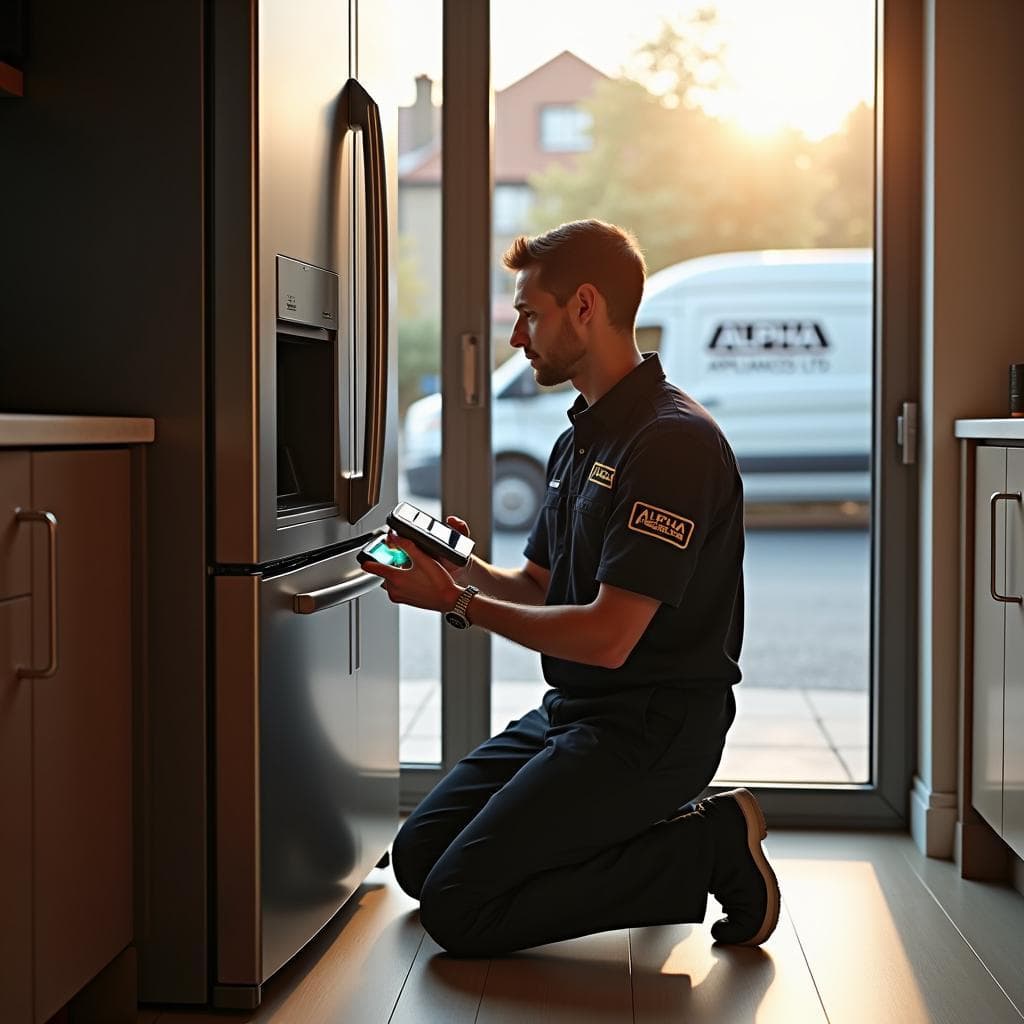
Learn what you can troubleshoot at home and when to book fridge repair in London for safe, reliable fixes from certified engineers and clear pricing
A working fridge is one of the hardest-working things in any home. When the weather starts to warm up in April and there are bank holidays, picnics and family gatherings, it has even more to do. Colder food keeps everyone safe, keeps drinks ready to serve, and protects the money you have already spent at the supermarket.
When something goes wrong, it can be tempting to guess at the problem and try a quick fix. That guess can easily lead to spoiled food, higher energy bills or damage that turns a repairable fridge into one that needs replacing. The trick is knowing which checks are sensible to try yourself, and which signs mean you should stop and bring in a professional for fridge repair in London.
In this guide, we will walk through simple checks most people can safely do at home, then look at the warning signs that call for an experienced engineer instead.
Simple DIY Checks Before You Call an Engineer
Before assuming a serious fault, there are a few basic things that are worth a quick look. These are simple and do not involve taking panels off or touching wiring.
Start with power and settings:
• Make sure the plug is fully in the socket and any wall switch or spur is turned on
• Check your consumer unit for a tripped circuit, and reset it only if you know it is safe to do so
• Look at the thermostat setting and make sure it has not been knocked to a warmer level
• Check for special modes like holiday or eco mode that can reduce cooling
• Make sure doors are closing fully and any alarms are not being ignored
Next, check airflow and how the fridge is loaded. In many London homes, kitchens are tight and appliances get squeezed into small gaps. If your fridge cannot breathe, it has to work harder.
• Food pushed right up against vents inside the fridge or freezer
• Shelves or drawers overloaded so air cannot move around
• The back and sides of the fridge pressed tight to walls or units with no gap for ventilation
A bit of light cleaning can also help performance. You can:
• Wipe door seals with warm soapy water so they sit flat and seal better
• Gently clean visible vents and the drip tray area if you can reach it without tools
• Defrost visible ice in a manual-defrost freezer by turning it off and letting it melt naturally, with towels to catch the water
Avoid sharp tools, hairdryers or anything that could damage the lining or plastic parts.
Common Fridge Problems You Can Often Sort Yourself
Some faults look worrying but often come down to simple habits or settings that you can change without risk.
If your fridge does not feel cold enough but the motor is still running, ask:
• Has anyone changed the temperature setting recently?
• Have you loaded lots of warm food in one go that needs time to cool?
• Are people opening the door again and again, especially with kids at home?
Also look at the back wall inside the fridge. A thin, even layer of frost on some models is normal, but thick ice can block cold air. If there is a lot of build-up, a full defrost, done safely, can sometimes improve things.
Noisy or rattling fridges are another common complaint in older properties.
Basic checks include:
• Is the fridge level, or does it rock when you touch it? Adjust the feet if you can
• Is it touching cupboards, skirting boards or pipework that could carry vibration?
• Are bottles, trays or drawers inside rattling against each other?
You might also find water inside or under the fridge. Often, this is linked to a blocked drain hole at the back of the fridge compartment. You can gently clear this with a soft, non-metal tool, then wipe muck from the drain tube or drip tray if they are easy to reach. Do not poke hard objects into pipework.
If these simple steps do not improve things within a reasonable time, it is best not to keep guessing.
Warning Signs That Need Professional Fridge Repair
Some symptoms should stop DIY attempts right away. These can point to electrical risks or deeper faults that need proper tools and skill.
Take these as clear warning signs:
• Any smell of burning plastic, hot wiring or insulation
• Lights flickering when the fridge compressor starts
• Sockets or plugs getting hot to the touch
• The fuse box tripping regularly when the fridge runs
Another red flag is constant overheating on the sides or back. A gentle warmth is normal on many fridges, but very hot surfaces or a compressor area that is too hot to touch can point to failing fans, blocked components or other faults that can shorten the life of the appliance and could even raise fire risk if ignored.
Cooling failures that keep coming back are another clue. If your fridge keeps warming up again even after:
• Checking power and settings
• Giving it good ventilation
• Doing a full, safe defrost
then there may be issues with sensors, refrigerant gas or the sealed system. Heavy ice that returns quickly after a defrost can also suggest problems with defrost heaters, thermostats or control boards that are not suitable for DIY repair.
When DIY Becomes Risky or Expensive
There is a line where home checks stop being helpful and start to add risk. Anything involving the sealed system or gas must stay on the safe side of that line.
Warning signs include:
• Oily patches under or behind the fridge
• Hissing from pipework that does not stop
• Obvious damage to copper pipes or the back of the fridge
Handling refrigerant is not a home task. It needs special training and equipment and in the UK there are rules on how it must be handled and disposed of.
Modern fridges often have digital displays, error codes and smart features. Behind those panels are control boards and components that need proper diagnostic tools. Built-in fridge freezers tucked into fitted kitchens around London can also be easy to damage if they are pulled out the wrong way, with risk to the cabinet, flooring or pipework.
There is also the question of warranty and insurance. Opening sealed panels, cutting cables or fitting random parts from the internet can cause more damage than the original fault and may stop a manufacturer from standing by the product later on. Many insurers expect evidence of professional fridge repair in London when there has been a serious fault linked to leaks or electrical issues.
When a fault goes beyond basic checks, bringing in experienced engineers gives you a clear plan instead of guesswork. A good repair is not just about swapping parts, it starts with methodical testing.
Professional engineers will:
• Carry out electrical safety checks before working on the fridge
• Check temperatures in different areas with proper tools
• Test sensors, fans, heaters and controls instead of assuming the cause
• Use parts that match the make and model so the fridge runs as it should
For homes across London and the Home Counties, fast response helps save food and keeps daily life on track. Local engineers who work on common UK brands and integrated units every day know the patterns that certain models show, which speeds up diagnosis.
Clear communication also matters. Instead of guessing at hidden costs, you should have a straightforward explanation of what has failed, what needs to be done and whether the appliance is realistically worth repairing based on its age, condition and fault.
As temperatures rise in spring and fridges work harder, being able to tell the difference between a simple tweak and a serious problem will help you stay calm. Basic checks like power, settings, cleaning, gentle defrosting and simple drainage clearing are usually safe to try. Burning smells, repeated cooling failures, suspected gas leaks, heavy electrical issues or anything that feels unsafe sit firmly in the “engineer only” category. By acting early and choosing professional help when it is needed, you give your fridge the best chance of a long, reliable life.
If your fridge is struggling to keep food cold or making unusual noises, our specialist fridge repair in London service can get it back to reliable working order quickly. At Alpha Appliances Ltd, we diagnose issues accurately and only replace parts when it is genuinely necessary, helping you avoid the cost of a new appliance. Call us today or contact us online to book a convenient appointment and keep your kitchen running smoothly.
Book a visit from a certified Alpha engineer in minutes.
TRUSTED BY HOMEOWNERS
Fast, reliable, and warranty-backed repairs for every major brand.
Discover more tips from Alpha engineers.