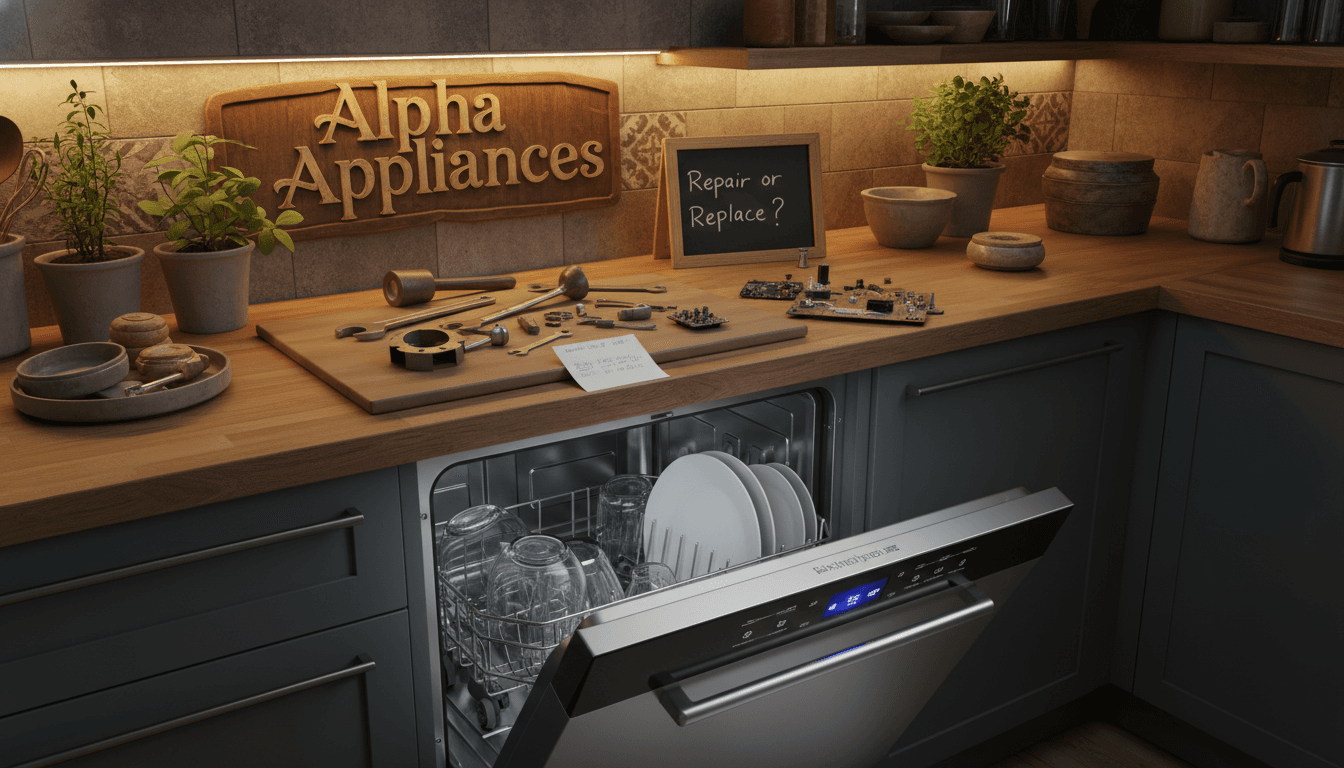
Get your Whirlpool dishwasher working again with our how-to guide.
Repair Dishwasher Whirlpool: Get Your Dishes Clean Again
Is your machine leaving spots, refusing to start or filling with standing water? This guide gives clear, UK-focused steps to sort common faults when your
dishwasher isn't cleaning properlyThis article explains what you can safely check at home and when to stop and book a professional. It covers quick fixes such as filter cleaning and door checks, and also how to spot when a failed part needs replacing.
Whirlpool began in 1951 and is a long‑standing company that makes a wide range of home appliances. That means parts and support are usually available for many models.
Alpha Appliances have completed over 100,000 jobs and earned hundreds of positive reviews, so if you are in London or the Home Counties you can visit their website to book an appointment for a Whirlpool dishwasher repair or other appliances.
Key Takeaways
Understanding your Whirlpool dishwasher and how it cleans dishes
Learning the flow of water, detergent and spray action shows where problems start.
Common UK types and what to expect
Top Control units hide the controls when the door is closed, while Front Control models keep buttons visible. Portable models sit free and often have different inlet and drain connections. 3rd Rack variants add a shallow top rack for cutlery and small items.
Key components to know
Most machines have a hinged door leading into a rectangular chamber with upper and lower racks. Inside you will find a rotating spray arm, filters at the sump and a water inlet at the rear or base.
Quick ID tips: model references sit on the inner door edge or frame. A 3rd rack looks like a slim tray above the upper rack. Portable units may use hoses that clip on to a tap rather than a fixed supply. Link symptoms to parts: poor cleaning usually points to spray blockages or incorrect loading; standing water often means a blocked filter, hose or pump fault.
What good looks like: clear spray patterns, free‑spinning arms, clean filters and a door that seals and latches properly. The next section covers essential safety and the first checks to try.
Safety checks and essentials before starting any dishwasher repair
Start every check by isolating power and water to avoid accidents and further damage. Turn off the socket or consumer unit and close the water supply before touching panels, hoses or the base. This protects your home and the appliance.
Inspect the door area next. A mis‑latched or torn seal can stop the machine from starting and cause leaks. Always ensure the door closes and the seal sits flat before any run.
Confirm the basics
What to record for customer service
Note the model number, series and the exact symptoms. Record the time in the cycle when the problem appears and the day it started. Also list any unusual noises or smells and whether the machine is under warranty. If it is, consider official support portals or phone help; if not, a local qualified team can often respond faster with the right parts and a clear service plan.
Whirlpool dishwashers are available in a wide selection of style and are classed as one of the most reliable. The company also offers other appliances types like a washing machine, Whirlpool dishwashers, and others. Dishwasher repair should always be completed by a trained professional. Never attempt to fix yourself.
Repair dishwasher whirlpool: step-by-step troubleshooting for the most common problems
Begin troubleshooting by isolating one symptom at a time so you find the root cause quickly.
Dishwasher not starting: door latch, controls and power
Check the socket and any fused spur first. Confirm the door closes firmly and the latch engages. Look for control‑lock or child lock settings and any panel response on Top Control or Front Control types.
Not draining or standing water
Remove and clean the filters and inspect the sump for debris. Check the drain hose for kinks and listen for the pump running; stop and call service if the pump is silent or smells burnt.
Poor cleaning results
Take off the spray arm and rinse clear any blocked holes. Ensure the arm spins freely without hitting racks and check water temperature for the selected wash.
Leaks, door seals and unusual noise
Visually inspect the door seal for splits, deformation or trapped debris and confirm the appliance is level.
Watch for tall items hitting the spray arm, loose cutlery or mis‑seated racks that cause scraping during washing.
If you see repeated errors, burning smells or persistent leaks, contact customer service without delay.
A quick visual and functional check will tell you if a component needs a simple clean or a matched spare. Some faults clear with a clean or adjustment. Other faults fail again until the worn component is replaced. Correct diagnosis saves time and reduces repeat visits.
High‑wear items and common symptoms
Choosing the right spares and when to replace
Match any spare to the exact series dishwasher and model reference. Similar parts can differ between series and production runs. Use genuine parts for fit and performance. Official channels often supply genuine spares and may offer a 12‑month workmanship guarantee. If faults recur, corrosion is extensive, or several parts are needed, a full replacement makes sense for your household appliances range. Consider downtime, water‑damage risk and whether fixing alongside other items such as a fridge will reduce disruption and cost.
Cleaning and maintenance to prevent repeat breakdowns
A short routine each week and month prevents most common failures. Regular attention keeps the machine running and protects parts that wear fastest.
Weekly and monthly tasks:
Keep water flow healthy. In hard water areas run an occasional high‑temperature cycle and use a descaler as directed. This helps prevent limescale in the water path and on the heating element.
Daily habits that cut downtime: scrape heavy food waste, avoid over‑stacking, and don’t let tall items block the spray rotation. Choose cycles that match soil level rather than always picking the shortest wash.
Quick checks that take little time: top up rinse aid, remove trapped labels, and scan around the filter and rack tracks for debris.
If a household runs multiple machines, keep a simple calendar so each device, including the washing machine, gets routine care on set days. Consistent maintenance reduces repeat call‑outs and is often praised in customer reviews.
If cleaning and checks are up to date and faults continue, the issue is likely a worn component needing parts and professional diagnosis.
Conclusion
Work methodically: identify the appliance type, isolate power and water, then test the most likely causes in order.
Stop and get a professional if you see persistent leaks, repeated error lights, electrical issues or unresolved draining and heating faults after basic checks. Keep clear information for customer service, model/series, what happened and when, to speed up diagnosis and improve first‑time fixes.
For London and the Home Counties, Alpha Appliances are a trusted company with over 100,000 jobs and hundreds of positive reviews. If you need help, visit their website to book online. Use this guide and its checklists as a reference; with the right team and genuine parts, most faults are fixable without long disruption.
What should I know about how my Whirlpool appliance cleans dishes?
Your machine uses pressurised water through spray arms, a detergent dispenser and filters to remove food soil. Familiarise yourself with the door, racks, spray arm, inlet and filters. Correct loading and the right temperature help achieve a good clean.
Which types of Whirlpool models are common in the UK?
You’ll find top control, front control, portable models and those with a third rack. Each design affects loading, cycle choice and access to components such as the spray arm and filter.
What safety checks should I carry out before any work on the appliance?
Always isolate the power and shut off the water supply. Wear gloves, keep the area dry and ensure the device is stable. These simple steps protect you and prevent further damage to the machine.
What basic checks can I make before contacting customer service?
Note the model number, serial, symptoms, when the issue began and recent changes. Confirm loading, detergent type, cycle selection and any error codes displayed — this saves time when you call support.
My machine won’t start — what can I check quickly?
Check the door latch for secure closure, the control lock setting, fuse or trip in the consumer unit and the mains lead. Also confirm the chosen programme and any visible error indicators.
There is standing water in the base — how do I clear it?
Turn off power and water, then check and clean the filter, inspect the drain hose for kinks and look for blockages in the pump area. Removing trapped debris often restores normal draining.
My crockery is not clean — what causes poor results?
Clogged spray arms, incorrect rack loading, low water temperature and old or unsuitable detergent are common causes. Clean the spray arm holes, ensure items don’t block rotation and run a hot cycle if needed.
What should I do about a leak around the door?
Inspect the door seal for cracks, debris or misalignment. Check that racks are seated properly and that the door closes evenly. Replace a damaged seal and correct alignment to stop leaks.
The appliance makes unusual noise during cycles — what might be wrong?
Noise often comes from a spray arm striking items, a loose rack, or foreign objects in the sump or pump. Secure loose items, reposition utensils and remove any debris from the base.
Which parts wear out most and may need replacing?
High-wear items include the spray arm, door seal, racks and inlet components such as valves and hoses. Regular inspection helps you spot wear before it becomes a failure.
When is replacement of a part preferable to repair?
If a component is inexpensive, heavily corroded or if repair costs approach the value of a new part, replacement is sensible. Consider age, frequency of faults and availability of genuine spare parts for your series.
How do I choose genuine spare parts that match my model?
Use the model and serial number to find parts that match your series. Genuine components ensure fit and longevity. Many suppliers list compatibility by model range for easy selection.
What cleaning routine prevents repeat faults?
Weekly rinse cycles, monthly filter and spray arm cleaning, and periodic internal wipes reduce build-up. Empty food traps and remove lime scale to keep the water flow healthy.
How can I reduce downtime through everyday habits?
Load items to avoid blocking spray arms, remove large food scraps, choose appropriate cycles and avoid overfilling. These habits reduce stress on parts and keep the device running across busy days.
Book a visit from a certified Alpha engineer in minutes.
TRUSTED BY HOMEOWNERS
Fast, reliable, and warranty-backed repairs for every major brand.
Discover more tips from Alpha engineers.