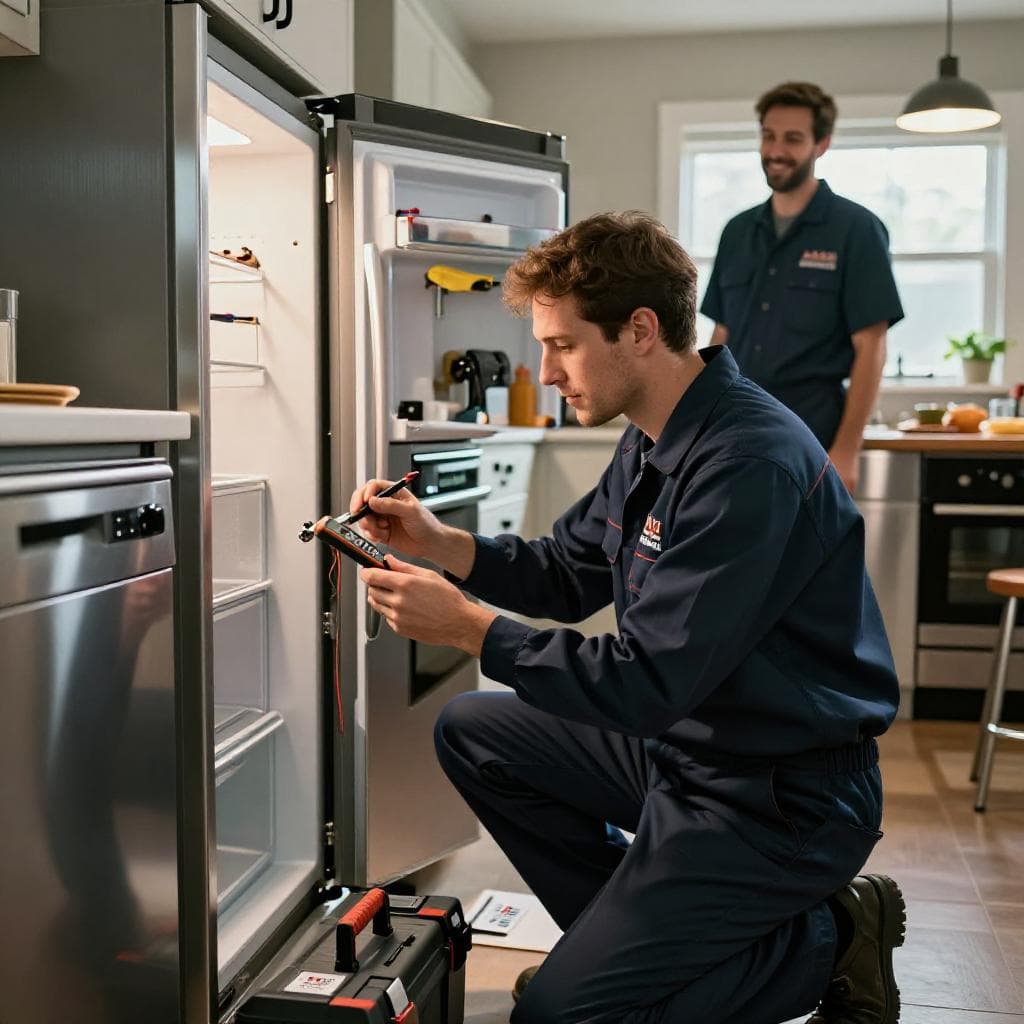
Learn how to spot common faults, reduce noise and avoid breakdowns with fridge repair in London advice for flat owners and tenants across the city
When Kitchen Silence Signals Fridge Trouble
A quiet fridge in a London flat can feel calm at first, then slightly worrying. You get used to a gentle hum in the background, so when your kitchen goes strangely silent, it can mean the fridge is not cooling as it should. On the other hand, loud rattling, clicking, or gurgling can be just as worrying.
Modern fridges are designed to run fairly quietly. A normal fridge will:
• Hum softly when the compressor runs
• Click now and then when starting or stopping
• Make a short gurgle or trickle sound as gas moves through the system
Warning signs include:
• Total silence for a long time, with the inside starting to warm up
• Constant loud running that never seems to stop
• Repeated clicking without proper cooling
• Harsh buzzing or knocking noises
Ignoring these early signs often leads to:
• Food spoiling faster than normal
• Higher energy use as the fridge strains to cool
• Bigger, more complex repairs later on
At Alpha Appliances Ltd, we work with households across London and the Home Counties, so we see how quickly small fridge problems can grow if they are left. In this guide, we share practical advice for people living in flats, including tight built-in units, landlord rules, and when it is time to bring in a professional engineer for fridge repair in London.
Why London Flats Are Tough on Fridges
Fridges in London flats often have a harder life than those in larger homes. Space is tight, and that affects how well they can breathe and cool.
Common flat layout issues include:
• Fridges pushed right against the wall with no gap
• Units boxed into cupboards with no vents at the top or back
• No space above the fridge for hot air to escape
When a fridge cannot get enough airflow, heat builds up around the coils and the compressor works harder. That can lead to constant running, warm temperatures inside and early wear on parts.
Building conditions also play a part. Many flats have:
• Older wiring that may not give a steady power supply
• Always-on communal heating that keeps kitchens warm
• South-facing windows that heat the room on sunny days
On top of that, shared flats mean frequent door openings and heavily packed shelves. The more often the door opens, and the tighter the food is packed, the harder the fridge has to work to keep a steady temperature.
Many people in rented flats cannot simply replace a fridge when it struggles. There are tenancy rules to follow and landlords to involve. It is usually the landlord’s responsibility to sort repairs for supplied appliances, but tenants need to report problems early. Quick action helps:
• Protect food and reduce waste
• Prevent water leaks that might damage floors or neighbours’ ceilings
• Keep the appliance working safely for longer
Silent but Serious: Hidden Fridge Faults to Spot
Quiet, efficient fridges are good. Completely silent fridges that feel warm inside are not. It can be tricky to tell the difference.
A fridge that is working properly, even if quiet, will still show signs of life:
• The interior light comes on when you open the door
• The back wall feels cool, not room temperature
• The motor sometimes turns on and off
A fridge that has stopped working will often show:
• No light inside at all
• No hum or click for a long time
• Soft or melted ice in the icebox
• Milk and fresh food spoiling before the date
Other subtle warning signs include:
• Strange or stale smells, even after a good clean
• Heavy condensation on shelves or walls
• Icy build-up at the back or around the freezer box
• One side of the fridge exterior feeling very warm
These can point to issues such as a faulty thermostat, blocked vents, damaged door seals, a struggling compressor, or low refrigerant.
There are a few simple checks you can usually do safely in a flat:
• Make sure the thermostat dial has not been knocked to a warmer setting
• Move food away from vents at the back or sides
• Try a paper test on the door seal, closing the door on a strip of paper to see if it holds firmly
• Brush or vacuum any easily reached dust on front grilles without shifting heavy integrated units
If you notice burning smells, sparks, water pooling on the floor, or the fridge still not cooling after these basic checks, it is time to stop DIY attempts. In high-rise flats, leaks or electrical faults can affect neighbours or shared circuits, so a trained engineer is the safest option.
When you arrange fridge repair in London, it helps to know what will actually happen in your flat. A typical visit from an engineer will start with a booked time slot and a quick arrival check so you know who is at the door.
Once inside, a good engineer will:
• Do a basic safety check of the socket, plug and cable
• Protect floors and nearby units before moving anything
• Carefully slide out integrated or freestanding fridges if access is needed
Working in compact kitchens is normal for London engineers. They are used to narrow hallways, steep stairs, and tight cupboard doors, so they plan their tools and movements to keep disruption low.
The diagnostic process often includes:
• Measuring fridge and freezer temperatures
• Listening for motor, fan and start-up sounds
• Looking for ice build-up, leaks or blocked vents
• Testing components such as thermostats, fans and sensors
• Checking that there is enough ventilation space around the unit
Clear communication is important. You should get an explanation of what seems wrong and what sort of repair is likely. Pricing should be explained before work goes ahead, including what the visit covers and what parts may be needed. In some cases, replacement might be the better choice, and a good engineer will talk through that honestly with you.
Timeframes depend on the fault and parts. Many common problems can be fixed on the first visit, especially for popular brands. If a special part is needed, you should be given an idea of how long that might take and any short-term steps to protect your food in the meantime.
Keeping Your Flat Fridge Happy Through a London Summer
As spring warms up and kitchens get stuffy, fridges have to work harder to keep cool. This is often when small problems start to show, especially in already warm London flats.
Simple habits can make a big difference:
• Leave a few centimetres of space around the sides and back of the fridge
• Avoid pushing it tight against the wall after cleaning
• Do not place the fridge directly next to ovens or hobs if you can help it
Inside the fridge, try to:
• Keep shelves full but not overloaded so air can flow
• Store items in containers rather than loose piles
• Keep vents clear of bags, boxes and bottles
For settings, many fridges work best when:
• The fridge section is set to a cool, but not freezing, range
• The freezer is cold enough to keep food solid without heavy icing
A simple fridge thermometer can help you check temperatures before hot weather hits, so you are not guessing from feel alone.
Good daily habits also help:
• Let cooked food cool on the side before placing it in the fridge
• Close the door fully and avoid holding it open during long chats in the kitchen
• Wipe door seals now and then to stop crumbs breaking the seal
If your fridge struggled in previous hot spells, ran constantly, or made odd sounds that went away on their own, it is worth taking those signs seriously before the next warm period. Early checks and repairs often stop full breakdowns later on, keeping your food safe and your flat kitchen quietly ticking along.
If your fridge is not cooling properly or making unusual noises, our expert team at Alpha Appliances Ltd is ready to help with reliable fridge repair in London. We work efficiently to diagnose the fault and get your appliance back to optimal performance with minimal disruption to your home. For quick advice or to arrange a visit, simply contact us and we will schedule a convenient appointment.
Book a visit from a certified Alpha engineer in minutes.
TRUSTED BY HOMEOWNERS
Fast, reliable, and warranty-backed repairs for every major brand.
Discover more tips from Alpha engineers.