
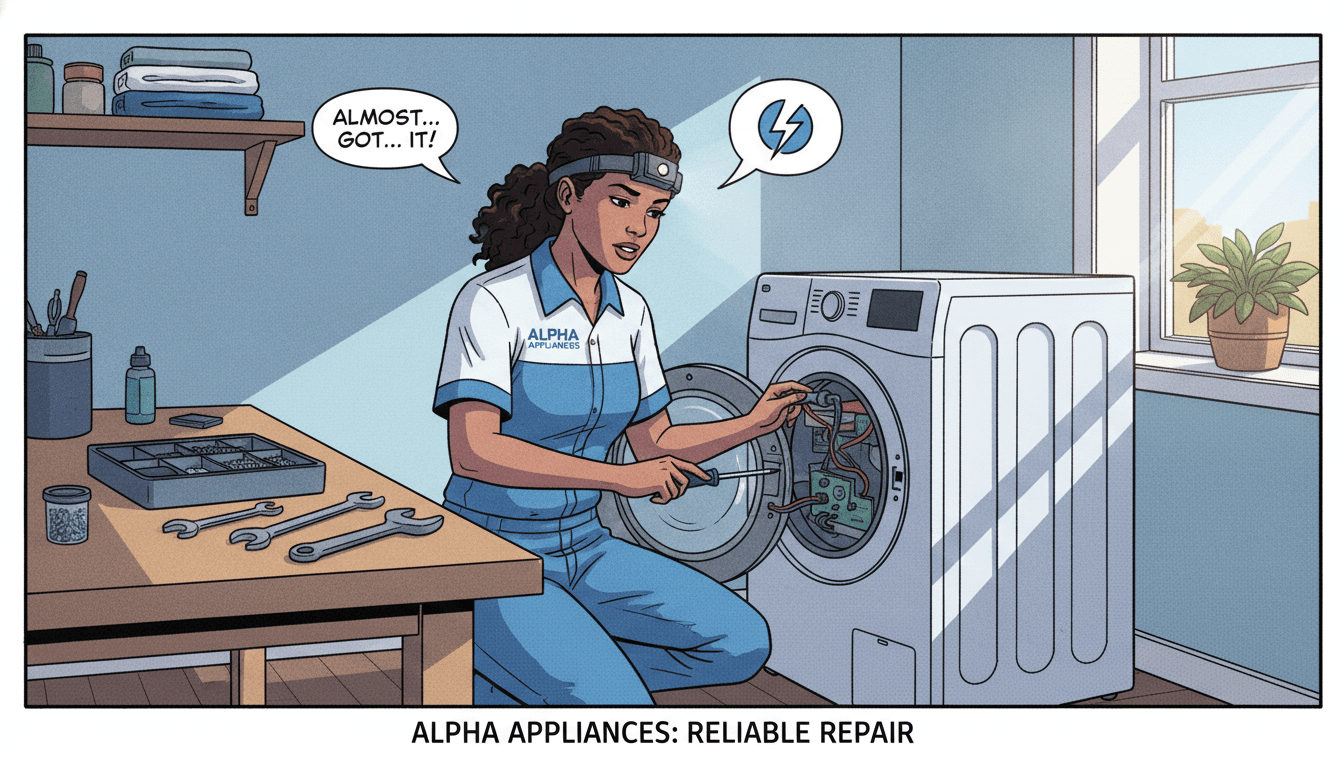
Fix Laundry Machine Quickly with Our Reliable Service
Ever thought your broken appliance might be fixed with a simple touch? When your routine stops, finding a reliable fix feels like a big stress. We think you should get a dependable and transparent repair service.
Our team offers top-notch washing machine service in London, the home counties, and the south coast. We make booking easy and our expert checks save you time and money. Choosing to fix laundry machine issues is smart and saves you money.
We're all about quality work and exceptional customer support from the start. Let us take care of the tech so you can get back to your life easily.
Expert diagnosis for all major appliance brands.
Transparent pricing with no hidden costs.
Reliable support across London and the south coast.
Common Laundry Machine Issues You May Encounter
When your laundry stops working, it's really frustrating. Even the best machines can break down. Spotting problems early helps avoid bigger issues. Knowing when to call a repair washing appliance expert can save you a lot of hassle and money.
Water Not Draining Properly
Water staying in your drum after a wash cycle means you have a problem. It's usually a clogged filter or a kinked hose. Sometimes, the drain pump fails, needing a pro to fix it.
Loud Noises During Operation
Strange noises like banging or squealing are bad signs. They might mean worn-out parts or something stuck inside. Don't ignore these sounds, as they can cause serious damage.
Washer Not Starting
It's really annoying when your washer won't turn on. The problem could be a simple fault or something more serious. If it won't start, our team can find and fix the issue quickly.
How to Diagnose Your Laundry Machine Problems
Effective laundry machine troubleshooting needs a calm and methodical approach. Instead of just resetting, observe the fault's symptoms closely. This way, you can find the real cause of washing machine problems accurately.
Checking for Power Supply Issues
Always check if your machine is getting power before looking for mechanical faults. Make sure the plug is in the socket right and check your fuse box or RCD. Sometimes, the simplest solution is the correct one. Look for warning lights on the control panel for clues. If the display is dark, check the power cable for damage. If you can't find the problem, it's time to troubleshoot laundry equipment further.
Inspecting the Door Lock Mechanism
A faulty door lock is a common reason for a machine not starting. Modern machines won't work if the door isn't closed properly. Ensure the door is closed firmly and listen for a click when the cycle starts. If the door feels loose or the latch is off, the sensor might not be working. Don't force the door, as it can damage the lock. If the lock still doesn't work, getting professional help is safest.
Examining Hoses and Filters
When troubleshooting laundry equipment, checking external connections is crucial. Look for kinks or sharp bends in the hoses that could block water flow. A clear path is essential for your machine to perform at its best. Also, find the drain filter, usually behind a flap at the bottom. Remove it to check for blockages like coins or lint. Keeping these areas clean is key to effective laundry machine troubleshooting and appliance longevity.
Step-by-Step Guide to Fix Common Issues
It's really frustrating when your laundry stops because of a broken appliance. But, many small problems can be fixed with a calm and careful approach. The first step is to properly diagnose the issue. This is key to a successful fix laundry machine process.
Always make sure you're safe by stopping the cycle and checking the machine isn't running. If you're not sure what to do, it's best to get help from a professional. This way, you avoid making things worse.
Repairing a Washing Machine that Won't Spin
Often, a washing machine won't spin because of an unbalanced load. Things like towels or bedding can move and stop the machine. Try moving the clothes around and running a spin-only cycle to see if it works. If it still doesn't spin, look for things like coins or buttons in the drain pump filter. A quick laundry appliance fix might be to clear these blockages. But, if you hear a grinding noise or see a damaged belt, you need a technician right away.
Fixing a Water Leak Around the Machine
Seeing water on the floor is scary, but you can act fast to stop more damage. First, stop the machine and turn off the water supply valves behind it. This stops more water from coming in while you find the leak.
Check the inlet hoses for cracks or loose connections. These are common places for leaks. If the seals are worn or the hoses are old, replace them. This is a simple fix laundry machine task that can prevent more water damage. If water is leaking from the bottom, it might mean a faulty pump or a damaged drum. This needs a professional laundry appliance fix to keep your home safe and dry.
Safety Precautions When Repairing Laundry Machines
Your safety is our top priority when you fix a household appliance. Always follow strict laundry machine safety rules to avoid accidents. If you see exposed wiring, burning smells, or damage, stop right away and call a pro.
Putting washing machine repair safety first keeps you and your home safe. Check out our guide on washing machine repair and safety for top tips on handling your appliance safely.
Unplugging the Appliance
First, make sure to cut off the power supply completely. Pull the plug from the wall socket to stop electricity flow. Also, turn off the water supply valves to avoid leaks or floods while you work.
Wearing Protective Gear
Wear the right protective gear, like strong gloves, to protect your hands from sharp edges or debris. Safety glasses help keep your eyes safe from dust or water. Always keep children and pets away from the area to keep everyone safe.
Essential Tools for DIY Laundry Machine Repairs
With just a few basic appliance repair tools, you can do a lot. The right tools help you check your machine safely. You can spot simple problems without calling a pro.
Screwdrivers and Wrenches
A basic set of screwdrivers and an adjustable wrench are enough for small repairs. Don't forget a bright torch and some towels. They help you find leaks or loose parts during laundry machine troubleshooting. Be gentle with your machine. Don't force open panels. This can harm the casing or inside parts.
Multimeter for Electrical Issues
A multimeter is great for finding electrical problems. But, only use it if you know what you're doing. It's for people who are fully competent with electrical work. Safety is our top priority when fixing things at home. Never test live parts yourself. It's too risky. If unsure, always get a pro to help.
When to Call a Professional Repair Service
Appliance troubles can be really frustrating. Sometimes, it's best to call a professional. They have the skills to fix things safely and right.
Signs You Need Expert Help
If you see persistent electrical trips or smell burning, stop what you're doing. These signs mean there's a serious problem with your machine's wiring or parts. It could even start a fire. Also, if you keep getting water leaks or control board failures, it's time to call for help. Trying to fix these problems yourself can cause more damage or even hurt you. A laundry machine technician can find and fix the problem fast.
The Benefits of Hiring a Professional
Choosing to repair washing appliance units with a certified service is a smart move. They can fix your problem quickly, so you can get back to your routine. Experts also use genuine, high-quality parts. This means your machine will work well for a long time. They follow strict safety rules to protect you and your home from damage.
Lastly, hiring a skilled laundry machine technician can keep your warranty valid. This way, your appliance gets the best care and keeps its value.
Preventative Maintenance Tips for Your Laundry Machine
Looking after your washing machine is key to a smooth laundry routine at home. Spending a bit of time on regular checks can stop small problems from becoming big, costly issues. Set aside a few minutes each month to keep your machine running smoothly.
Regular Cleaning of Filters
Clean filters are essential for your machine's efficiency. Check the drain pump filter often to clear out debris, coins, or lint. Keeping this area clear stops drainage problems and protects the pump. Don't forget to clean the detergent drawer and rubber door seal too. These spots can build up residue and mould, causing bad smells or leaks. A quick clean with a damp cloth keeps your machine clean and efficient.
Checking Hoses for Wear and Tear
It's important to check the water hoses too. Look for cracks, swelling, or brittle spots in the hoses. Spotting these issues early means you can replace them before they burst and cause water damage. Make sure all fittings are tight and secure to avoid slow drips. Regular maintenance not only makes your machine last longer but also gives you peace of mind. These small actions today can prevent big headaches later.
Understanding Warranty and Repair Coverage
Protecting your budget starts with knowing your appliance repair coverage. Always check your documents first. See if a professional service plan covers the issue.
What Your Warranty Covers
Most new machines have a standard washing machine warranty for one to two years. These cover mechanical failures and faulty parts. But, they don't cover accidental damage or problems from wrong installation. It's important to know what's not covered, like wear and tear on filters or hoses. Also, find out if your policy includes diagnostic fees. Knowing this helps you prepare before any work starts.
How to File a Warranty Claim
When you're ready to claim, have the right info ready. You'll need your original receipt, the appliance model number, and the serial number on the machine's frame. Keep a detailed log of the fault, including when it started and any error codes. A clear repair history helps the team diagnose quickly. By staying organised, you make sure your appliance repair coverage works for you, giving you peace of mind.
The Cost of Laundry Machine Repairs in the UK
Knowing what to expect from a repair service makes budgeting easier. We think transparency is key for a good customer experience, when your appliances break down. Choosing a washer repair service is cheaper than buying a new one. Often, fixing your current machine saves up to 75% of what a new one costs.
Average Repair Costs
The cost of fixing a washing machine varies with the problem. Simple fixes or clearing blockages are usually cheaper. Deeper electrical issues or special parts needed raise the price. For a detailed cost guide, check out this washing machine repair cost guide.
Factors That Affect Repair Prices
Quotes should be clear and detailed. A good service will list diagnosis, labour, parts, and VAT separately. Some services charge for the first visit, others include it in the labour cost. Always ask for a clear quotation before starting work. This way, you can choose wisely and keep your home running well.
Tips for Selecting a Laundry Machine Repair Service
Choosing a technician to come to your home is a big decision. You need to trust them completely. Finding a reliable washing machine service is key to getting your home back to normal quickly.
Researching Local Repair Shops
Start by checking if the local washer repair company is qualified. Make sure they know how to fix your specific washing machine. It's also important to know the costs upfront. A good service will give you a clear price before starting work.
Reading Customer Reviews
What others say about a local washer repair service is very telling. Look for feedback on punctuality and communication. These show if the company is professional. Check if the final bill was as promised. Also, see if people mention the technician's cleanliness and the quality of workmanship. These details make a big difference in your experience.
Eco-Friendly Practices for Laundry Machine Maintenance
We think it's key to care for appliances in a way that's good for the planet. By looking after your laundry machine, you help it last longer and protect the environment. Using eco-friendly methods saves water and energy, and keeps your clothes smelling fresh.
Energy-Saving Tips
Choosing the right wash settings can make a big difference. Try using lower temperatures, as they use less energy. Also, aim for full but balanced loads to save energy. Using the right amount of detergent is crucial. Too much can cause residue, making your machine work harder and use more water. If you spot leaks or drainage issues, fix them quickly to avoid wasting water and damage.
Responsible Disposal of Old Appliances
Eventually, even the best machines need to be replaced. When that happens, choose responsible recycling over throwing it away. Many UK councils have special services for big appliances. Always check where you can take your old appliance for proper disposal. This ensures it's recycled safely and materials are recovered. It's a meaningful way to end your journey to a greener home.
Frequently Asked Questions About Laundry Machine Repairs
You might wonder about fixing your home appliances. We're here to help you understand your options.
How Long Do Repairs Typically Take?
The time needed for a repair varies. It depends on the problem and if parts are available. Brands like Bosch or Hotpoint can affect this.
Simple issues might be fixed in one visit. But, complex problems could need a second trip. We try to see you as soon as we can.
Can I Fix It Myself or Should I Call a Professional?
For small problems, you can try to fix it yourself. Look for blockages or power issues. But, if you're unsure about the inside or wiring, call us.
Our experts can help avoid safety risks and damage. Taking care of your machine can save you money in the long run.
If you're still having trouble, we're here to help. Contact us to book a professional check-up. Let's keep your home running smoothly.
FAQ
Water Not Draining Properly
If your Samsung or Bosch machine still has water after a cycle, you likely have a drainage problem. This could be due to a blocked filter or a faulty pump. Getting it checked early can prevent water damage to your floors.
Loud Noises During Operation
Unusual sounds during the spin cycle, like thumping or grinding, often mean worn drum bearings or a trapped object. Ignoring these signs can lead to bigger problems. It's best to troubleshoot your laundry equipment early.
Washer Not Starting
A machine that won't start can be frustrating. It might be a simple power issue or a complex fault with the control board or door mechanism. We recommend a professional check to determine if it's a simple fix or a more involved repair.
Checking for Power Supply Issues
Before assuming the worst, check the plug and socket. Modern appliances like Hotpoint or Miele have sensitive electronics that may trip a fuse if there's a power surge.
Inspecting the Door Lock Mechanism
If the door doesn't shut right, the machine won't start for safety reasons. We can help you troubleshoot by checking for obstructions or a faulty interlock that prevents the cycle from engaging.
Examining Hoses and Filters
Blocked filters are a common cause of performance issues. We advise regular checks of the drain filter and ensuring the inlet hoses are not kinked. This is crucial for effective laundry machine troubleshooting.
Repairing a Washing Machine that Won't Spin
If the drum isn't turning, first check if the load is unbalanced. Large items like towels can cause the machine to stop. If redistributing the clothes doesn't work, a technician may need to inspect the drive belt or motor brushes.
Fixing a Water Leak Around the Machine
A leak can come from a worn door seal or a loose hose connection. If you spot water, stop the machine immediately. Identifying whether you need a simple fix or a new part like a Beko door gasket is crucial to prevent damage to your home.
Unplugging the Appliance
Safety is our top priority. Always disconnect the power and shut off the water supply before inspecting. Never touch internal components while the machine is plugged in, as this poses a significant electrical risk.
Wearing Protective Gear
When troubleshooting, wear gloves to protect your hands from sharp edges inside the cabinet. If you encounter exposed wiring, burning smells, or trapped water, stop immediately and call for a professional repair service.
Screwdrivers and Wrenches
Basic tools like screwdrivers and an adjustable wrench are helpful for removing panels or tightening hose connections. Avoid forcing any parts open, as this can damage your LG or Zanussi appliance.
Multimeter for Electrical Issues
A multimeter can help identify faulty components, but it should only be used by those competent in electrical safety. Because professional troubleshooting relies on accuracy, we recommend leaving electrical testing to a qualified expert.
Signs You Need Expert Help
If your machine is repeatedly tripping the electrics, emitting a burning odour, or has a persistent internal leak, it's time to call the experts. These symptoms often involve complex control boards or failing motors that require a trained technician.
The Benefits of Hiring a Professional
Hiring us ensures a fast diagnosis and access to the correct genuine parts. We provide clear communication, clean working practices, and the peace of mind that comes with professional service guarantees.
Regular Cleaning of Filters
Maintaining a clear filter is the easiest way to prevent drainage faults. Incorporating this into your laundry machine maintenance routine every few months will keep your pump running efficiently and extend the life of the machine.
Checking Hoses for Wear and Tear
Periodically inspect the hoses at the back of your machine for cracks, swelling, or loose fittings. Replacing a worn hose early is a very affordable fix that prevents the catastrophe of a flooded kitchen or utility room.
What Your Warranty Covers
Before booking a repair visit, check if your machine is still under warranty. Be aware that some warranties exclude "wear and tear" items like door seals or cosmetic damage.
How to File a Warranty Claim
Keep your model number and purchase date handy. Having a clear fault description and a history of your maintenance will help you make a transparent and informed claim with brands like Whirlpool or Indesit.
Average Repair Costs
The cost to fix laundry machine faults varies. A simple pump unblocking is significantly cheaper than replacing a drum or motor. Repairing is almost always more cost-effective than buying new, with many customers saving up to 75% by opting for a repair.
Factors That Affect Repair Prices
Prices are influenced by the cost of replacement parts, VAT, and labour. We believe in transparency, which is why we provide a clear quotation that separates the diagnostic fee from the final repair cost.
Researching Local Repair Shops
When choosing a repair service, check that they cover your specific location and brand. A local provider in London or the South Coast will often offer more flexible booking slots to suit your schedule.
Reading Customer Reviews
Look for feedback on punctuality, cleanliness, and whether the final invoice matched the quote. Reliable companies will have a track record of quality workmanship and excellent customer care.
Energy-Saving Tips
Well-maintained machines use less energy. By ensuring your filters are clean and using the correct amount of detergent, you help your appliance run efficiently. This reduces both your carbon footprint and utility bills.
Responsible Disposal of Old Appliances
If we determine that it's no longer practical to fix your machine, we encourage responsible recycling. Many UK councils and retailers offer collection services to ensure old appliances are disposed of through authorised routes rather than ending up in landfill.
How long do repairs typically take for brands like Bosch or Samsung?
Most washing machine service visits are completed within one to two hours. If your appliance requires a specific component we don't have in stock, our technician will order it promptly to ensure we fix laundry machine faults with minimal disruption.
Can I safely troubleshoot laundry equipment without professional help?
You can perform basic troubleshooting, like checking for a blocked filter or ensuring the door is shut properly. For internal mechanical issues or electrical faults, we recommend a professional repair service to maintain safety and protect your warranty.
Is a laundry appliance fix more cost-effective than buying a new machine?
In the vast majority of cases, yes. A professional fix can cost significantly less than a new high-end model. We provide a transparent repair quote so you can see the savings—often up to 75% compared to a replacement.
What should I include in my laundry machine maintenance routine?
To keep your appliance running smoothly, we suggest monthly maintenance. This includes cleaning the detergent drawer, descaling the drum, and checking the inlet hoses for cracks. These simple steps help you avoid the need to fix laundry machine issues prematurely.
Does your washer repair service cover my local area?
We provide comprehensive coverage across London, the home counties, and the south coast. Our team is familiar with the common issues affecting homes in these regions, ensuring a fast and reliable response when you need a washing machine service.
What tools do I need for basic laundry machine troubleshooting?
For a visual inspection, a torch and a screwdriver are often enough. More advanced tasks require specialised tools like a multimeter. If you're not comfortable using these, our technician can handle the diagnosis safely for you.
Why is my machine making a loud banging noise during the spin cycle?
This often indicates an unbalanced load or worn-out bearings. Before calling for a repair visit, try redistributing the clothes. If the noise persists, it’s best to stop using it and let us fix laundry machine components like the shock absorbers or drum bearings to prevent further damage.
Need a repair today?
Book a visit from a certified Alpha engineer in minutes.