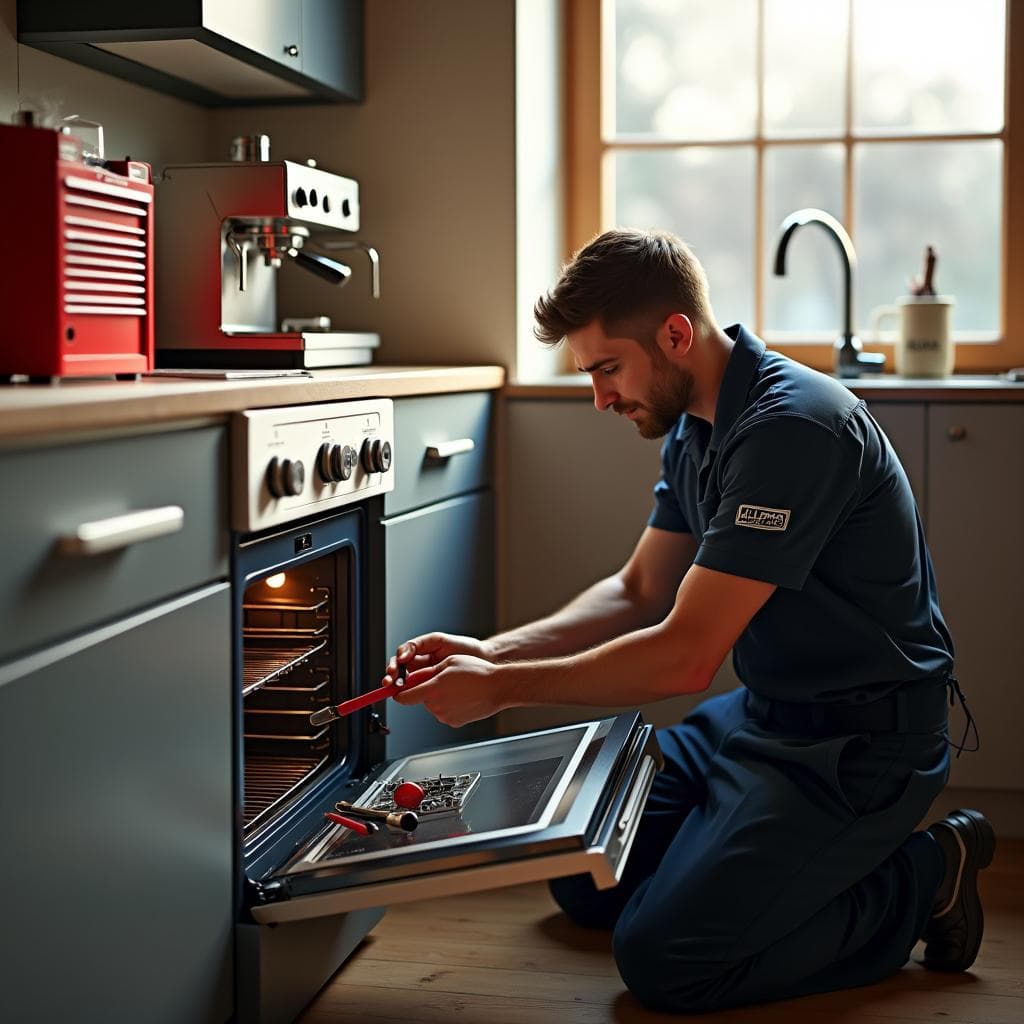
Discover common faults and what they mean, plus how to book coffee machine repair in London with fast, professional appliance service across London and Home Counties
When Your Morning Brew Starts Behaving Strangely
A coffee machine that suddenly starts acting odd can unsettle the whole household. When your first cup of the day is weaker, colder, or simply tastes wrong, it is hard to ignore. Small changes in sound, smell or performance often mean something inside the machine is not quite right.
As spring shifts towards early summer, many London homes lean on their coffee machines even more. Earlier sunrises, lighter evenings and more time at home often mean extra cups through the day. That constant use can bring out strange, intermittent faults that were easy to miss in the colder months.
Those early hints can look minor at first. You might notice:
• A new clicking or humming sound
• Coffee that is thinner or bitter
• A slight burning smell from the machine body
These are often early warning signs of deeper problems, such as struggling pumps, failing sensors or internal leaks. Acting quickly and calling a professional coffee machine repair in London service helps keep a small fault from turning into a full breakdown.
Unusual Noises, Smells and Leaks From Your Coffee Machine
Odd sounds are often the first thing people notice. A healthy coffee machine will hum and hiss a little, but it should not sound like it is about to take off.
Common worrying noises include:
• Loud gurgling or spluttering
• High screeching or squealing from the pump area
• Rapid clicking or buzzing that was not there before
These can point to limescale build-up, strained pumps or water trying to push through blocked pipework. In hard water areas like much of London, limescale is a frequent cause of this kind of stress inside a machine.
Strange smells are another red flag. A sharp burning scent, a metallic smell or a faint smell of melting plastic can be a sign of:
• Overheating heating elements
• Failing wiring or connections
• Coffee oils or milk burning onto hot parts
Leaks are easier to spot but can be more dangerous. Puddles under the machine, drips from the side or steam where you would not expect it can mean damaged seals or internal hoses. When water starts escaping inside the casing, it can reach electrical parts, which is a serious safety risk.
If you notice:
• Any sign of burning or scorching
• Water leaking near plugs or cables
• Smoke or visible sparks
Stop using the machine at once and switch it off at the mains. Opening the casing yourself can expose you to shock or make the fault worse, so it is safer to leave internal checks to a trained engineer.
Weak, Bitter, or Lukewarm Coffee and What It Really Means
When coffee starts tasting wrong, many people blame the beans first. Sometimes that is fair, but often the machine is quietly telling you something is off.
Changes in taste and temperature can signal:
• Failed thermostats that do not heat the water correctly
• Blocked filters slowing the flow and over-extracting the coffee
• Sensors sending the wrong signals to the control board
• Worn pumps that cannot maintain steady pressure
Weak or watery coffee can mean low pressure or partial blockages. Bitter, harsh coffee often points to water sitting too long in contact with the grounds. Lukewarm drinks are usually a heating or temperature control fault rather than a coffee quality issue.
Hard water makes things worse, especially when people drink more iced coffees or make several rounds a day as the weather warms up. Limescale can narrow pipes, block valves and wrap itself around elements, which affects both pressure and heat.
A careful clean and descale can help if:
• The issue is mild and recent
• The machine has not been cleaned for a long time
• There are no strange smells, noises or leaks
If you clean and descale properly but the problem comes back quickly, or if the coffee quality swings from one extreme to another, that usually means a deeper fault. In that case, a professional engineer can test temperature control, pressure levels and electronic parts so your machine works in a steady, predictable way again.
Seasonal Habits That Quietly Damage Coffee Machines
As days get longer, many homes use their coffee machines more without realising. A few extra weekend coffees, guests dropping in, or a machine left on from morning until evening can all add quiet strain over time.
Common seasonal habits that cause problems include:
• Leaving machines on for hours for “convenience”
• Back-to-back drinks with no cooling breaks
• Running milk systems often but skipping proper cleaning
Warmer weather can raise the temperature and humidity in busy London kitchens. That extra warmth can:
• Encourage condensation inside the machine housing
• Allow moisture to creep onto electronic boards and connectors
• Speed up the wear of rubber seals and plastic parts
Summer-style drinks can bring their own issues. Cold brew setups, sweet syrups and flavoured milks can leave sticky film on group heads, milk pipes and nozzles. Without careful cleaning, this residue builds up, affects taste and can lead to blockages or sour smells.
A seasonal maintenance routine helps reduce these strange faults. Simple habits such as:
• Changing water filters at the suggested intervals
• Keeping vents and nozzles free of dust and grease
• Flushing milk systems after each use
• Planning regular descaling in hard water areas
can all make a big difference to how smoothly your machine runs as usage increases.
When something starts to go wrong, many people try the obvious quick fixes. A fresh descale, a new cleaning tablet or a different coffee blend can sometimes seem to work for a short while.
Common DIY attempts include:
• Repeating descaling cycles several times in a row
• Using strong supermarket cleaners in parts they are not meant for
• Constantly unplugging and plugging the machine back in
• Poking into tiny holes or valves with pins or needles
These steps can hide the real problem or even create new damage. For example, harsh chemicals in the wrong place can harm seals or sensors, and poking around in small openings can scratch surfaces that need to be smooth.
Opening the casing brings extra risk. Inside a coffee machine, there are live electrical parts, pressurised hot water and delicate components like flow meters, thermostats and control boards. Without training and proper tools, it is easy to:
• Receive an electric shock
• Break fragile connectors or internal hoses
• Cause leaks that were not there before
A qualified engineer will follow a clear process. They will check safety first, then test key parts such as heating elements, pumps, valves, sensors and boards. Faulty parts can then be replaced in a controlled way, and the machine can be tested under normal use so it works reliably again.
A coffee machine that behaves oddly rarely fixes itself. Small clicks, smells or taste changes are usually early clues that something deeper needs attention. Ignoring them often leads to a breakdown right when the machine is needed most, especially in homes where coffee is part of work, family and social time.
Most unusual or intermittent faults can be tracked down and repaired by an experienced appliance specialist who understands how these machines react to heavy daily use, hard water and changing household habits. With proper care and timely repair, your coffee machine is far more likely to stay safe, steady and ready for that first cup every morning.
Restore Your Coffee Machine To Peak Performance Today
Book a visit from a certified Alpha engineer in minutes.
TRUSTED BY HOMEOWNERS
Fast, reliable, and warranty-backed repairs for every major brand.
Discover more tips from Alpha engineers.