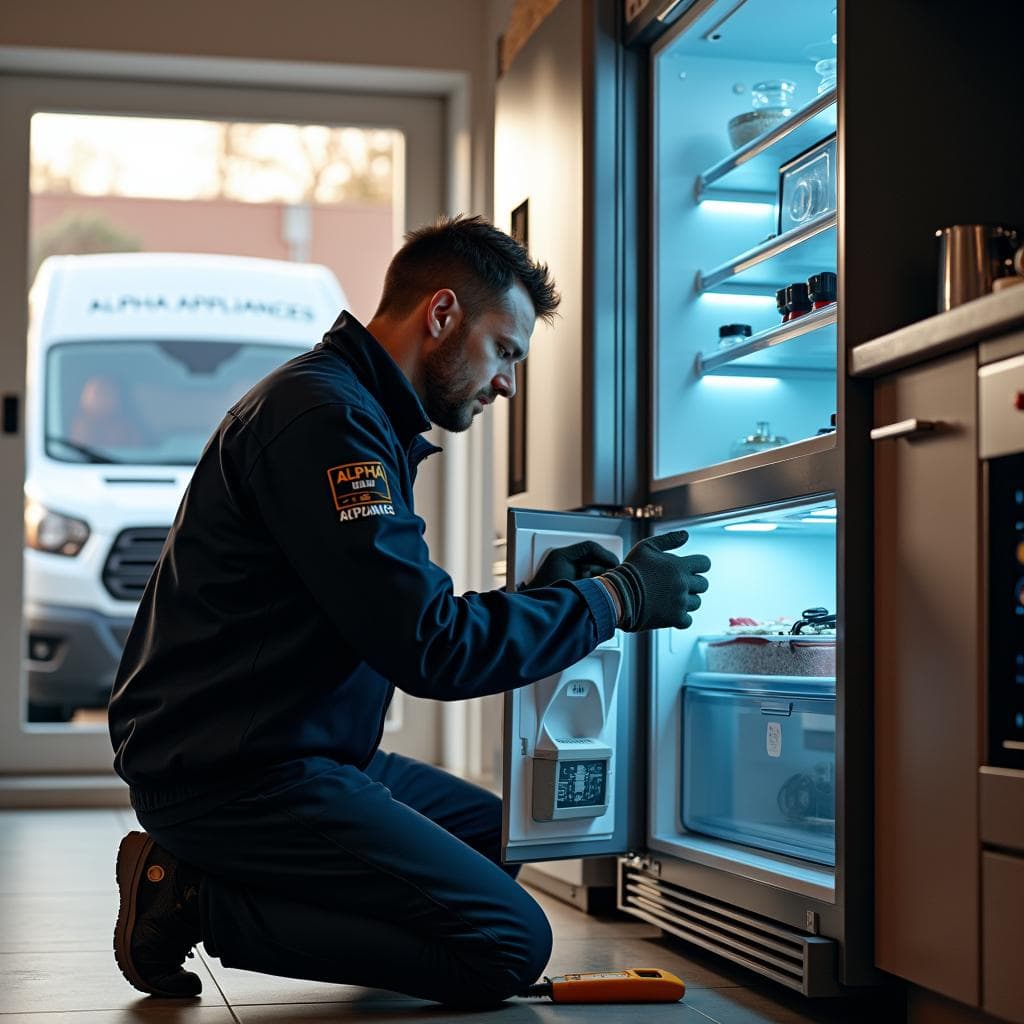
Discover hidden fridge freezer energy drains and save on power. Get fridge freezer repair in London fast to stop waste and keep food safe
A fridge freezer runs day and night, so even a small problem can quietly push your energy bills up. In many London homes, especially flats with compact kitchens, older units sit in tight spaces and have to work harder as the weather warms up. If you are noticing higher bills or a fridge that never seems quite cold enough, it might not be your energy supplier at fault.
Hidden inefficiencies build over time. A worn door seal, a blocked vent or a tired thermostat does not always cause a sudden breakdown; it just makes the appliance run longer and use more electricity. With some simple checks, and timely fridge freezer repair in London when needed, you can cut waste, prevent breakdowns before summer heat arrives, and help your appliance last longer. We will look at the common energy drains, how to spot them, and when it is safer and smarter to bring in a professional.
How Modern Fridge Freezers Use Energy
A fridge freezer is basically a controlled heat pump. Inside, a compressor pushes refrigerant around a closed loop. This pulls heat out of the cabinet and releases it through coils at the back or underneath. A thermostat tells the compressor when to switch on and off to keep things at a steady temperature.
To do all that without wasting energy, the appliance depends on three main things:
• Good insulation around the cabinet
• A tight door seal to keep warm air out
• Clear airflow around the condenser coils so heat can escape
In a typical London flat or family home, the fridge freezer is one of the few appliances that never rests. Newer, energy-efficient models are designed to keep power use down with better insulation and smarter compressors. Older models, or units that have not been looked after, often run for much longer each cycle. The difference is not always dramatic from one day to the next, but it shows up month after month on your bill.
Small faults change how often the compressor needs to run. For example:
• A worn or cracked door seal lets warm, damp air leak in.
• Doors that do not close squarely leave tiny gaps at the corners.
• A thermostat that has drifted out of range keeps the compressor on too long or not long enough.
None of these always cause an obvious failure, so many households live with them for years, paying more than they need to for the same level of cooling.
Hidden Energy Drains You Can Spot in Minutes
There are a few quick checks you can do without tools or technical knowledge. These do not replace a proper service, but they can highlight problems early.
1. Door seals and hinges
Door seals are the soft rubber strips around the edge. When they fail, cold air slips out.
Try a simple paper test:
• Place a sheet of paper or a thin card between the seal and the cabinet.
• Close the door gently on it.
• Gently pull the paper.
If it slides out easily or the door will not hold it in place in a few spots, the seal may be worn or the door could be misaligned. Even a small gap means the compressor has to work harder to keep the temperature down.
2. Poor ventilation and location
In many London kitchens, fridge freezers are pushed tight into alcoves or fitted units to save space. That looks neat, but it can trap heat around the back.
• Very little space between the back of the unit and the wall.
• Warm or hot air building up in the cupboard around the appliance.
• Dust and fluff on any visible grilles or coils.
When the condenser coils cannot get rid of heat, the system becomes less efficient, especially as spring turns to warmer days.
3. Temperature settings and overloading
Common habits can also waste power:
• Setting the fridge much colder than needed, just to feel safe.
• Pushing food right against the back wall and blocking vents.
• Packing the freezer so tight that air cannot move around.
All of these disrupt airflow. Cold spots and warm spots form, the thermostat has to react more often, and the compressor runs longer.
Watch for These Warning Signs Before Summer Heat
As temperatures rise, any weakness in your fridge freezer starts to show up more clearly. Catching these signs early can prevent bigger problems later.
Watch your energy bills. If they keep creeping up and there is no big change in how you use heating, lighting or other major appliances, your fridge freezer could be one of the hidden culprits, especially if it is older or has never been serviced.
Physical clues include:
• The fridge cabinet feels warm inside, but the sides or top feel very hot to the touch.
• You hear constant humming with very short quiet periods, or rapid clicking on and off.
• Ice building up on the back wall of the fridge, or heavy frost inside the freezer.
Food is another clear signal. Warning signs are:
• Milk or fresh food going off sooner than it used to.
• Ice cream that never fully hardens or turns soft and icy.
• Frozen food covered in thick frost or ice crystals.
These are not just annoying. They can point to poor temperature control and wasted energy, and they may mean it is time to look into expert fridge freezer repair in London before a total breakdown.
There are a few simple tasks most people can carry out without risk. These do not involve opening up the appliance or touching any electrics.
Helpful basic jobs include:
• Gently defrosting any excessive ice build-up following the maker’s guidance.
• Wiping door seals with warm soapy water and drying them well.
• Cleaning visible internal vents so air can move freely.
• Lightly vacuuming external grilles or accessible coils to remove dust.
You can also tweak how you use the appliance:
• Keep the fridge in a moderate temperature range, not the very coldest setting.
• Keep the freezer cold enough to keep food solid but not down at the lowest setting.
• Leave gaps between items so air can flow.
• Let hot food cool to room temperature before placing it in the fridge.
Checks like making sure the appliance is level, so doors close properly, are usually safe. But anything that involves panels, wiring, gas pipes or refrigerant should be left alone. In tight London flats or tall buildings, moving or tilting a heavy fridge freezer can also be risky without the correct equipment.
When Professional Repair Beats Replacement
When an appliance starts to waste energy or struggles to keep food cold, many people jump straight to replacing it. In a lot of cases, a focused repair can bring the fridge freezer back to good working order.
Common issues that a trained engineer can often address include:
• Faulty or inaccurate thermostats.
• Worn or noisy fans.
• Starter relays and other control components.
• Compressor or cooling problems that need proper diagnosis.
A skilled technician has the tools and experience to test parts safely, confirm the true cause of the fault, and help you decide the right next step. For higher-end models, a repair that restores efficiency is often a better option than writing off the appliance too quickly.
Using a local specialist in fridge freezer repair in London also brings some practical benefits. Local engineers understand typical property layouts, from small galley kitchens to larger family homes, and are familiar with many of the common brands found across London and the Home Counties. That local knowledge can help make visits quicker, safer and more effective, especially when access and parking are tight.
By staying alert to early warning signs and arranging expert help when problems appear, you can cut hidden energy waste, protect your food, and help your fridge freezer serve your home for longer.
If your fridge freezer has started playing up, we can diagnose the fault quickly and get it back to dependable performance with our specialist fridge freezer repair in London. At Alpha Appliances Ltd, we work around your schedule to minimise disruption and keep your food safely stored. For fast booking, clear pricing and friendly advice, simply contact us and we will arrange a convenient visit.
Book a visit from a certified Alpha engineer in minutes.
TRUSTED BY HOMEOWNERS
Fast, reliable, and warranty-backed repairs for every major brand.
Discover more tips from Alpha engineers.